
 Streamline
 Custom wire mesh is widely used across industrial, architectural, agricultural, and residential applications due to its strength, versatility, and adaptability. From security enclosures and filtration systems to decorative panels and structural reinforcement, selecting the right mesh is essential for ensuring performance and longevity.
Because requirements vary significantly depending on the project, choosing the correct specification involves careful consideration of material type, weave pattern, strength, and application purpose. A well-informed decision ensures that the final product delivers both functional reliability and long-term value.
Understanding The Purpose Of The Wire Mesh
The first step in selecting custom wire mesh is clearly defining its intended use. Different applications demand different levels of durability, flexibility, and precision. For example, mesh used in industrial filtration must allow controlled flow while maintaining structural integrity, whereas architectural mesh prioritises appearance alongside strength.
Security applications require tighter openings and stronger materials, while agricultural uses may focus on durability and resistance to environmental conditions. Identifying the primary function helps narrow down material and design choices, ensuring that the mesh performs effectively in its specific environment.
Choosing The Right Material Type
Material selection plays a critical role in determining the performance and lifespan of wire mesh. Stainless steel is commonly used for its corrosion resistance and strength, making it suitable for outdoor and industrial environments. Galvanised steel offers affordability and durability, particularly in less corrosive settings.
Other materials such as aluminium or specialised alloys may be used depending on weight requirements, exposure conditions, and aesthetic preferences. Matching the material to environmental demands ensures that the mesh maintains its integrity over time and reduces the need for frequent replacement or maintenance.
Selecting The Appropriate Weave And Pattern
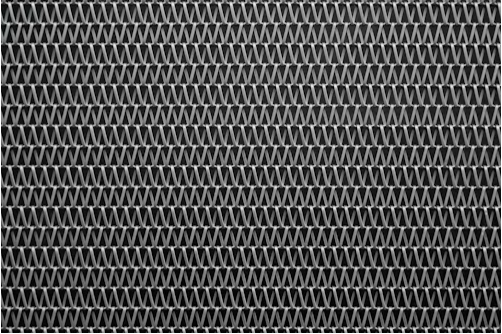
The structure of the weave significantly influences both functionality and appearance. Different patterns, such as plain weave, twill weave, or welded configurations, offer varying levels of strength, flexibility, and openness.
A tighter weave provides enhanced security and filtration capabilities, while a more open pattern allows for greater airflow and visibility. Custom woven wire mesh designs can be tailored to meet precise specifications, ensuring that the final product aligns with both technical and visual requirements. The choice of pattern should always reflect the intended application and performance expectations.
Considering Strength And Load Requirements
Understanding the load-bearing and stress requirements of the project is essential when selecting wire mesh. Applications involving heavy loads or high pressure require stronger, thicker materials with reinforced construction. Conversely, decorative or lightweight applications may prioritise flexibility and design over maximum strength.
Assessing environmental factors such as wind exposure, vibration, or mechanical stress ensures that the mesh will perform reliably under real-world conditions. Proper evaluation prevents premature wear and structural failure.
Evaluating Finishing And Surface Treatments
Surface treatments enhance both the appearance and durability of wire mesh. Options such as powder coating, galvanisation, or polishing provide protection against corrosion and environmental damage. These finishes also allow for customisation in colour and texture, particularly in architectural applications where aesthetics are important.
Choosing the right finish improves resistance to wear while contributing to a more refined and professional appearance. This is particularly valuable in visible installations where design consistency matters.
Working With Experienced Manufacturers
Partnering with experienced suppliers and manufacturers is essential when sourcing custom wire mesh. Skilled providers offer guidance on material selection, design specifications, and production techniques. Their expertise ensures that the final product meets both technical requirements and industry standards.
Reliable manufacturers also provide quality assurance, testing, and consistency across production batches. This level of support reduces risk and ensures that the mesh performs as expected in its intended application.
Balancing Cost With Long-Term Value
While cost is an important consideration, focusing solely on price can lead to compromised quality and reduced lifespan. High-quality custom wire mesh may require a higher initial investment but often delivers better durability, lower maintenance costs, and improved performance over time.
Evaluating long-term value rather than short-term savings ensures that the selected mesh provides lasting benefits and reduces the need for frequent replacement or repair.
Making A Well-Informed Decision
Finding the right custom wire mesh involves balancing functionality, material quality, design requirements, and environmental considerations. By clearly defining the purpose, selecting appropriate materials, and working with experienced professionals, it becomes possible to achieve a solution that meets both practical and aesthetic needs.
A thoughtful and informed approach ensures that the final product delivers strength, reliability, and versatility, making it suitable for a wide range of applications and long-term use.

