
 Streamline
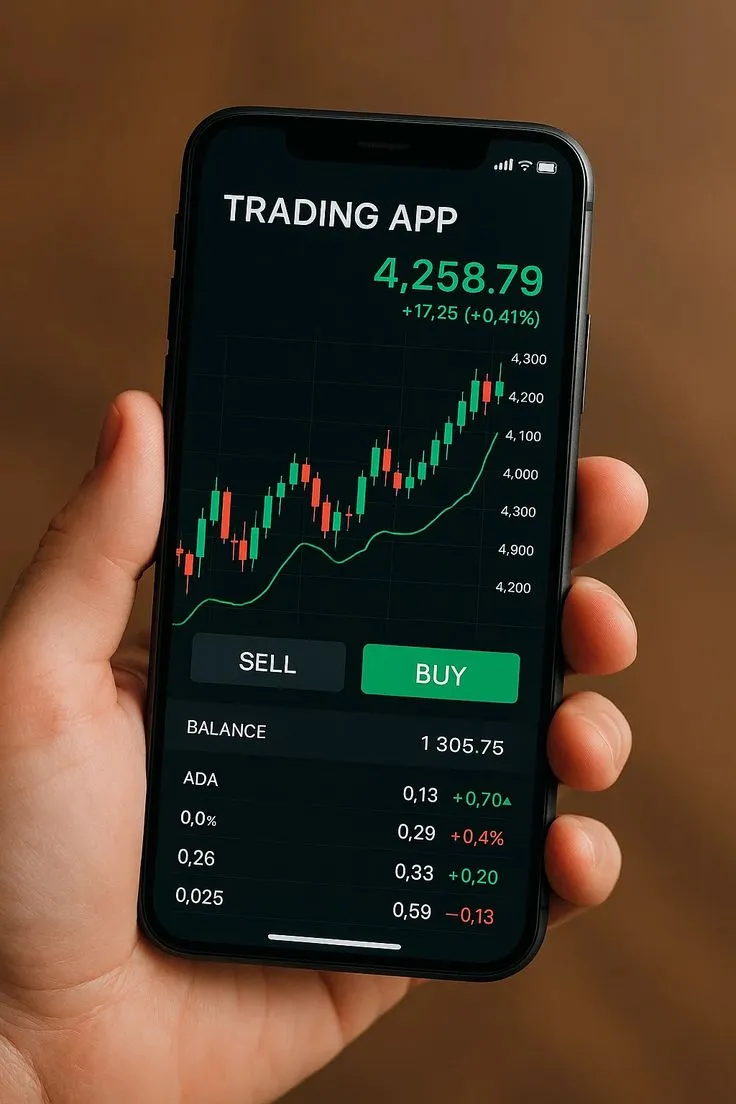
Mobile practice can help beginners understand when markets are active and how price behaviour changes through the trading day. People exploring forex trading app services should focus on learning timing rather than reacting to every movement. Different currency pairs can become more active during particular sessions, while economic announcements may cause sudden volatility. A useful practice routine combines observation, planned entries and patience, helping traders recognise that being able to access a market at any moment does not mean every moment offers a suitable opportunity.
Understand Market Sessions
Forex trading operates across major global sessions, and activity can vary as financial centres open and close. Beginners can study how Asian, European and North American hours influence liquidity and volatility in the pairs they follow. Certain overlaps may produce more movement, while quieter periods can behave differently. Learning these patterns does not create guaranteed setups, but it gives traders useful context. Instead of treating every hour equally, they can compare how the strategy performs when participation, spreads and price movement change during the day.
Watch Economic Timing
Scheduled economic releases can alter market conditions quickly, so timing practice should include an economic calendar. Interest-rate decisions, inflation figures, employment reports and other major announcements may increase volatility in related currencies. Beginners can observe what happens before, during and after these events without assuming the direction of the move in advance. This helps them understand why a technically attractive setup may behave differently around important news. The lesson is not to predict every release, but to recognise when normal trading conditions may temporarily change.
Practise in a Demo Environment
Using a demo account in forex online can give traders space to test timing decisions without immediately exposing real funds. They can compare entries made during active sessions with those taken in quieter periods and record how spreads, volatility and follow-through differ. A demo account is also useful for practising patience when no suitable setup appears. The aim should be to collect observations rather than force trades. Simulated results still have limits, because real-money trading can involve different emotions, execution conditions and financial consequences.
Plan Entries Around Conditions
Market timing becomes more useful when it is linked to clear entry rules. A trader might decide to participate only when price reaches a specific level, volatility is within a preferred range, or a chosen session is active. This prevents the clock alone from becoming a trading signal. Beginners should write down the conditions that must be present before they act and compare those rules with outcomes. Over time, this approach can show whether certain periods genuinely suit the strategy or simply appear more exciting.
Avoid Overtrading
Constant mobile access can create the impression that traders should always be doing something. In practice, waiting is often part of a disciplined routine. Beginners can set fixed observation windows, limit the number of practice trades and step away when their criteria are not met. These boundaries make it easier to separate planned activity from boredom-driven decisions. Reviewing missed trades can also be useful, because avoiding a weak setup may be evidence of improved discipline rather than a lost opportunity that needs to be chased.
Review Timing in a Journal
A journal can help traders determine whether timing affects their decisions in a consistent way. Useful notes may include the currency pair, session, entry time, market conditions, reason for trading and outcome. Traders can also record whether an economic release was nearby and whether they followed their planned rules. After several weeks, these records may reveal patterns that are difficult to notice during live observation. The purpose is not to identify a perfect trading hour, but to understand when a strategy appears most manageable.
Conclusion
Learning market timing is less about finding a single ideal hour and more about understanding how sessions, liquidity, economic events and personal routines interact. Mobile practice can make these differences easier to observe when it is combined with clear rules and regular review. Traders using btcdana.com can explore forex and CFD market behaviour while remembering that practice results cannot guarantee live performance. A patient approach to timing can improve preparation, but risk management and independent judgement remain essential whenever real capital is considered.

