
 Streamline
Modern construction and manufacturing projects depend heavily on precisely fabricated metal components engineered for specific structural and functional needs. Understanding how this fabrication process supports these industries reveals the significant, often unrecognized work behind everyday infrastructure and products. Exploring this process helps illustrate why quality fabrication deserves careful consideration during any project planning. Clear communication throughout any process helps ensure expectations remain aligned from start to finish. Setting clear expectations from the outset helps avoid confusion or disappointment later in the process.
Why Precision Fabrication Matters in Construction and Manufacturing
Modern projects increasingly require metal components engineered to precise specifications rather than generic, off-the-shelf alternatives. This precision directly affects structural integrity, safety, and overall project success across both construction and manufacturing applications. Understanding this need helps explain why specialized fabrication services continue playing such a critical role in these industries. Recognizing this importance supports appreciation for the skilled work behind reliable structural components. Investing a little extra time upfront often saves considerable time, money, and frustration later on.
The Role of Steel Plate Fabrication in Structural Projects
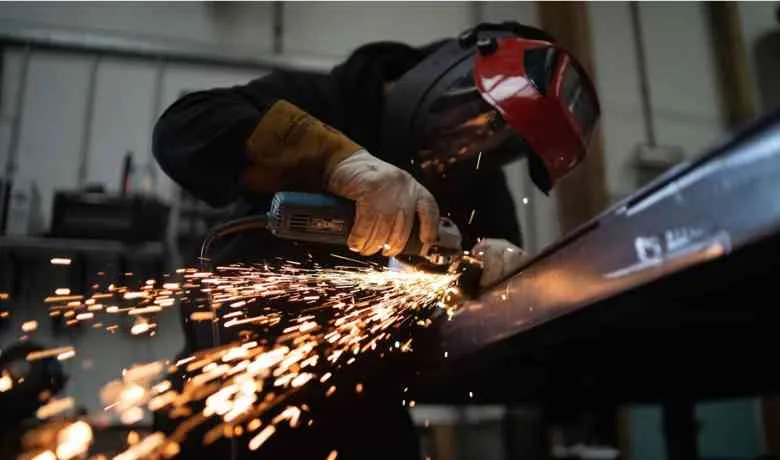
Skilled steel plate fabrication transforms raw material into precisely engineered components suited to specific structural or functional requirements. This process involves careful cutting, forming, and welding to achieve exact specifications required for a particular project. Quality fabrication directly affects structural integrity, ensuring finished components perform reliably under their intended operational demands. Understanding this process helps illustrate why skilled fabrication deserves careful consideration during project planning.
Applications Across Construction and Industrial Projects
Building frameworks, support structures, and specialized equipment components frequently rely on precisely fabricated metal pieces for reliable performance. Industrial equipment manufacturing also depends heavily on custom fabricated components suited to specific operational and structural requirements. Understanding these applications helps illustrate the widespread importance of quality fabrication across many different project types. Recognizing this breadth demonstrates why fabrication quality deserves serious consideration. Understanding the full picture, rather than focusing on a single factor, supports smarter overall decisions.
Factors That Affect Fabrication Quality and Reliability
Skilled technicians, quality equipment, and rigorous quality control processes all significantly affect the final reliability of fabricated components. Working with experienced fabrication providers helps ensure finished components meet required specifications and performance standards consistently. Poor fabrication quality can compromise structural integrity, creating serious safety concerns for finished projects. This understanding helps project managers prioritize fabrication quality alongside cost considerations.
Choosing a Reliable Fabrication Partner for Project Success
Researching a provider’s experience, certifications, and past project examples helps identify fabricators genuinely capable of meeting specific project requirements. Requesting detailed quotes and timelines helps establish clear expectations before committing to a fabrication partnership. Checking references from previous clients provides valuable insight into a provider’s reliability and overall quality of work. This careful selection process significantly increases the likelihood of successful project outcomes. Taking the time to compare available options carefully often leads to more satisfying results in the long run.
Conclusion
Quality metal fabrication plays a critical role in supporting reliable, safe construction and manufacturing projects across many industries. Understanding this process helps project managers appreciate the skilled work behind structurally sound components. With careful attention to fabrication quality, projects can achieve the reliability and safety standards their applications demand. Reviewing progress periodically helps catch small issues before they grow into larger, costlier problems.

